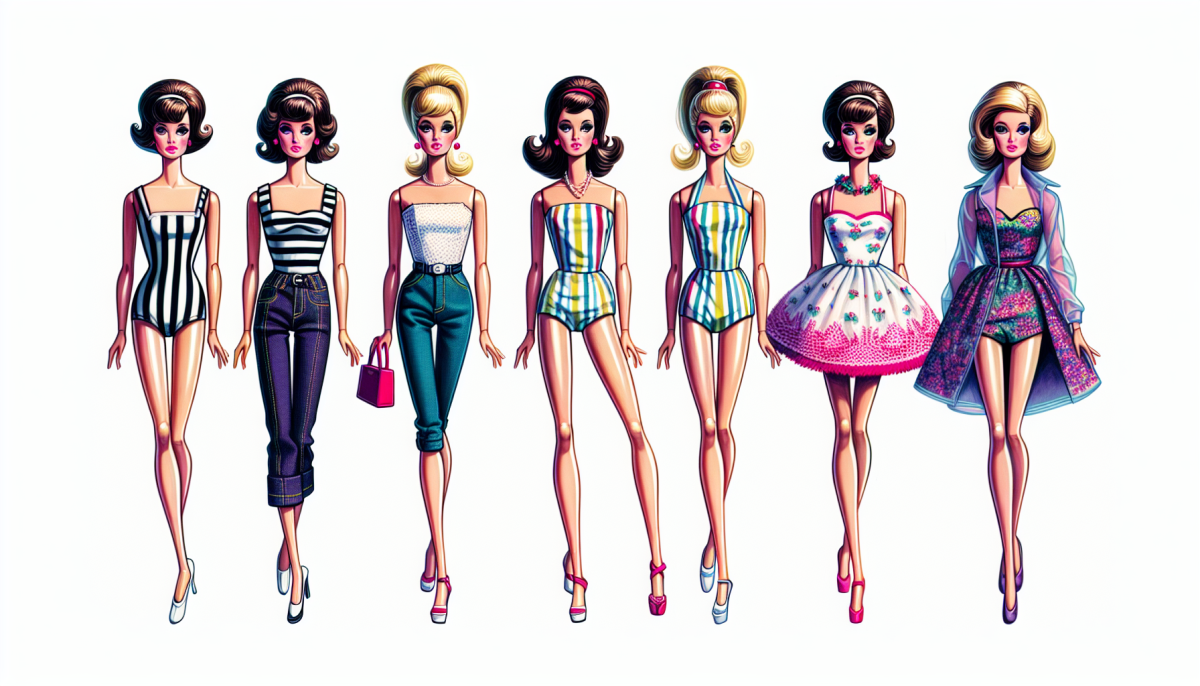
Barbie made her debut in March 1959, and let me tell you, she changed the toy world forever! Ruth Handler, a co-founder of Mattel, saw a gap in the market for a doll that offered girls a chance to imagine their future. At a time when most toys were baby dolls, Barbie represented grown-up possibilities. She was first introduced at the American International Toy Fair in New York, and kids instantly fell in love.
This iconic doll wasn’t just a pretty face. Barbie was styled as an adult woman with a successful career. Her first job? A teenage fashion model, of course! Dressed in a black and white striped swimsuit, she hit the scene with a dazzling smile and a sense of adventure. Kids could now envision themselves in a world of glamour and careers, which was a big deal back in the '50s.
The first Barbie came with a variety of outfits, letting little girls mix and match styles. That kind of flexibility was a game-changer! Suddenly, it wasn’t just about having a single doll but creating entire stories around her life. This sparked endless creativity and imaginative play, allowing girls to dream big and express themselves.
Barbie's popularity skyrocketed, leading to the launch of her first car, the Corvette, in 1962. With each new release, Barbie evolved, introducing various careers and lifestyles. From a nurse to an astronaut, she was breaking stereotypes before it was even a trend. Barbie’s early days set the stage for her as a cultural icon, proving that playtime could be fun and empowering!
Evolution of Barbie Dolls Over the Years
Barbie dolls have come a long way since their debut in 1959. When Ruth Handler launched Barbie, she was a fashion model, dressed to impress in her trendy outfits. Back then, she was all about glam and fantasy, giving little girls a chance to imagine a life filled with excitement and style. Her first look was iconic, sporting a black-and-white striped swimsuit, and she quickly became a beloved companion for playtime.
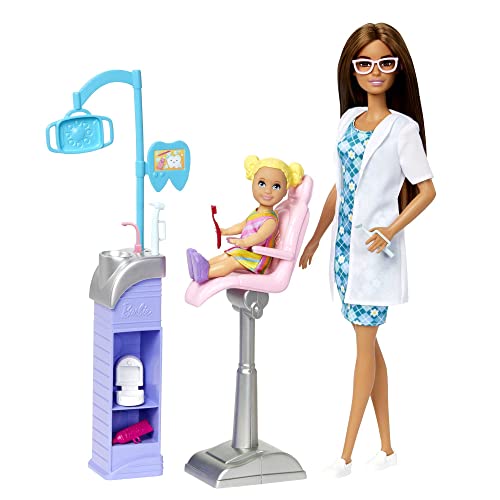
As the years went by, Barbie evolved to reflect the changing world around her. In the 1960s and 70s, she embraced different professions like a nurse, astronaut, and even a presidential candidate, showcasing that girls could dream big and do anything. These dolls weren’t just pretty faces; they encouraged girls to think about their futures. Barbie became an inspiration and a role model, proving that women could break barriers.
In the 1980s and 90s, Barbie stepped into the spotlight as a businesswoman and an entrepreneur. She ran her own toy shop, became a fashion designer, and dabbled in every field imaginable. This shift helped empower young girls, showing them that they could be anything they wanted, not limited to traditional roles. The diversity of her careers during this time made her relatable and aspirational.
Things really took a turn in the 2000s. Mattel introduced dolls that celebrated different body types, ethnicities, and styles. Barbie started to embrace the idea of beauty in all forms. This inclusiveness allowed more kids to see themselves in Barbie, making the doll universe a better reflection of the real world. Barbie not only became about fashion and fun but also about acceptance and empowerment.
Today, Barbie continues to adapt and surprise us. She’s still a fashionista, but now she’s also a scientist, a chef, and even a role in the tech industry. The commitment to diversity remains strong, with dolls representing a wide range of backgrounds and experiences. Barbie's journey is ongoing, and she’s just as relevant now as she was when she first hit the shelves. This evolution shows how toys can not only entertain but also inspire future generations.
Barbie in Pop Culture and Media
Barbie has been a familiar face in pop culture since her debut in 1959. She quickly became more than just a doll; she turned into a symbol of fashion and fun. Kids everywhere loved to play with her, showcasing everything from the latest trends to fantastic dream jobs. Barbie's stylish outfits and glamorous lifestyle caught everyone’s attention, making her a must-have for many young fans.
Over the years, Barbie has starred in countless movies and TV shows. Her adventures range from being a princess to a rock star and even a vet! Each story carries a special message about friendship, courage, and following your dreams. These films often inspire kids to reach for their goals and imagine endless possibilities, teaching valuable life lessons while they're at it.
Barbie also makes waves in music and fashion. Many famous artists have paid tribute to her—whether through songs, fashion lines, or art. Her influence in the fashion world is undeniable. Fashion designers look to Barbie for inspiration, recreating her iconic looks for runways. This blend of play and high fashion keeps Barbie relevant, engaging new generations of fans.
Social media has given Barbie a new spotlight. With Instagram and TikTok, fans share their own Barbie-inspired content, linking creativity and nostalgia in fun ways. The community feels vibrant and connected, proving that Barbie’s charm transcends age. Whether through online challenges or sharing unique outfits, Barbie helps spark joy and creativity in everyone’s life.
Impact of Barbie on Fashion and Play
Barbie isn’t just a toy; she’s a cultural icon that has influenced fashion trends for decades. From her debut in 1959, Barbie rocked some of the coolest outfits. Designers like Christian Dior and Vera Wang have collaborated with Mattel to create stunning dolls that showcase the latest trends. This connection between Barbie and high fashion inspires young imaginations and introduces kids to the world of style.
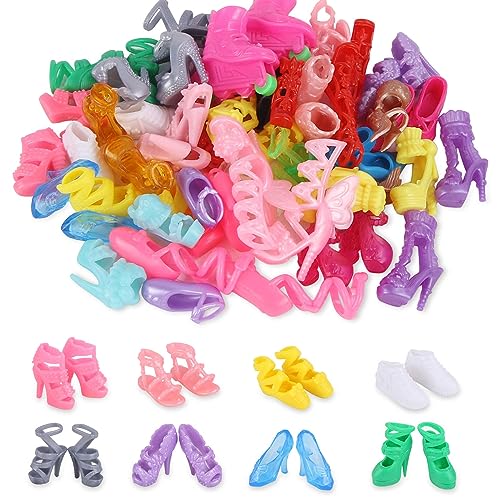
Kids aren’t just dressing Barbie; they’re learning how to express themselves through fashion. The variety of dolls available lets children explore different styles, cultures, and even careers, which can spark their own creativity. Whether it’s a sporty Barbie, a mermaid Barbie, or a Barbie in a glamorous evening gown, there’s something for every kind of play. It’s like having a whole world of fashion right in their hands!
Barbie also paved the way for inclusivity in fashion. Over the years, Mattel has introduced dolls with diverse backgrounds, body types, and abilities. This shift reflects the real world and helps kids understand that everyone deserves to feel beautiful. By expanding the Barbie lineup, the brand encourages kids to embrace their unique beauty, promoting self-confidence from a young age.
Through play, children discover the impact of fashion and form their personal styles. Barbie dolls spark conversations about what fashion means, encouraging creativity and critical thinking. It’s not just about the clothes; it’s about who we are and how we showcase our individuality. Barbie has successfully made fashion fun, relatable, and a vital part of childhood play.